Laparoscopic gynecological procedures have revolutionized modern women’s healthcare by offering safe, effective, and minimally invasive surgical solutions for a wide range of gynecological conditions. These advanced procedures allow precise treatment with minimal pain, smaller scars, faster recovery, and shorter hospital stay compared to traditional open surgery.
At Virmani Hospital, we specialize in evidence-based laparoscopic gynecological surgery tailored to each woman’s condition, age, and reproductive goals.
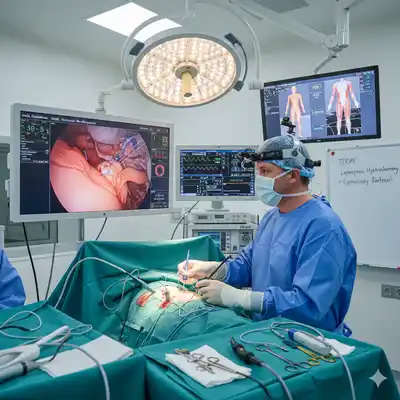
What Are Laparoscopic Gynecological Procedures?
Laparoscopic gynecological procedures are surgeries performed using a thin telescope-like instrument called a laparoscope, inserted through small keyhole incisions in the abdomen. A high-definition camera provides magnified internal views, allowing the surgeon to operate with exceptional precision.
This form of minimally invasive gynecological surgery has become the gold standard for many benign and advanced gynecological conditions.
Watch this video by Dr Mamta Agrawal</strong> to understand laparoscopic surgery for fibroids and ovarian cysts. This minimally invasive procedure involves small incisions, less pain, and faster recovery

Common Laparoscopic Gynecological Surgeries
- Laparoscopic hysterectomy (uterus removal)
- Laparoscopic myomectomy (fibroid removal)
- Laparoscopic ovarian cystectomy
- Laparoscopic treatment of endometriosis
- Laparoscopic surgery for ectopic pregnancy
- Laparoscopic adhesiolysis
- Laparoscopic evaluation and treatment of infertility
Why Laparoscopic Surgery Is Better Than Open Surgery
Compared to conventional open surgery, laparoscopic gynecological procedures offer multiple advantages:
- Smaller incisions and minimal scarring
- Less postoperative pain
- Reduced blood loss
- Lower risk of infection
- Faster recovery and early return to daily activities
- Shorter hospital stay
These benefits make laparoscopy the preferred choice for women seeking safe and advanced surgical care.
Conditions Best Treated with Laparoscopic Gynecological Procedures
Laparoscopy is especially effective in managing:
- Uterine fibroids causing pain or heavy bleeding
- Ovarian cysts and tumors
- Chronic pelvic pain
- Endometriosis
- Abnormal uterine bleeding
- Pelvic adhesions
- Infertility related to tubal or pelvic pathology
Safety and Success Rates
When performed by an experienced gynecologist, laparoscopic gynecological procedures are extremely safe and have high success rates. According to guidelines from American College of Obstetricians and Gynecologists (ACOG), minimally invasive gynecological surgery should be considered whenever feasible due to superior patient outcomes.
The World Health Organization (WHO) also supports minimally invasive approaches for faster recovery and reduced postoperative complications.
Preparation Before Laparoscopic Gynecological Surgery
Before undergoing laparoscopic surgery, patients usually require:
- Detailed clinical evaluation
- Ultrasound or imaging studies
- Blood investigations
- Anesthesia assessment
Your gynecologist will explain the procedure, risks, benefits, and postoperative care in detail.
Recovery After Laparoscopic Gynecological Procedures
Most women can resume light activities within a few days. Complete recovery typically occurs within 1–2 weeks, depending on the type of surgery. Pain is usually mild and well-controlled with oral medications.
Patients are advised to follow post-operative instructions carefully to ensure optimal healing.
Why Choose Virmani Hospital for Laparoscopic Gynecological Procedures?
At Virmani Hospital, laparoscopic gynecological procedures are performed with a patient-centric approach, combining clinical expertise with modern technology. Our focus is on safety, accuracy, and personalized care.
We strictly follow national and international surgical guidelines to ensure the best outcomes for our patients.
Helpful Resources for Women’s Health
- Gynecological Treatments and Women’s Health Care
- Infertility Evaluation and Treatment
- Hysterectomy
- Fibroids
- Endometriosis
Frequently Asked Questions
Is laparoscopic gynecological surgery painful?
No. Pain is usually mild and significantly less compared to open surgery.
How long does laparoscopic surgery take?
Most procedures take between 30 minutes to 2 hours depending on complexity.
Is laparoscopic surgery safe for future fertility?
Yes. Fertility-preserving laparoscopic procedures are commonly performed when indicated.
Conclusion
Laparoscopic gynecological procedures represent the future of women’s surgical healthcare. With minimal invasiveness, faster recovery, and excellent outcomes, they are the preferred option for managing a wide range of gynecological conditions.
If you are experiencing gynecological symptoms or have been advised surgery, consult a qualified gynecologist to determine whether laparoscopic surgery is suitable for you.
Frequently Asked Questions
1. What are laparoscopic gynecological procedures?
Laparoscopic gynecological procedures are minimally invasive surgeries performed through small abdominal incisions using a camera and specialized instruments to treat various gynecological conditions.
2. Is laparoscopic gynecological surgery safe?
Yes. When performed by an experienced gynecologist, laparoscopic surgery is very safe and associated with fewer complications, less pain, and faster recovery compared to open surgery.
3. How long is the recovery after laparoscopic gynecological procedures?
Most patients recover within 7–14 days. Light activities can usually be resumed within a few days, depending on the type and extent of surgery.
4. Will laparoscopic surgery affect future fertility?
No. Many laparoscopic gynecological procedures are fertility-preserving and are commonly performed to improve fertility outcomes when indicated.
5. How long does a laparoscopic gynecological procedure take?
The duration varies based on the procedure, but most laparoscopic gynecological surgeries take between 30 minutes and 2 hours.
Authoritative references
Recent advances in benign gynecological laparoscopic surgery
