Endometriosis and infertility are closely linked, but many women wonder: can you get pregnant with endometriosis? The answer is yes — many women with endometriosis conceive naturally or with medical support.
What is Endometriosis?
Endometriosis is a condition where tissue similar to the uterine lining grows outside the uterus, causing inflammation, pain, and fertility challenges.
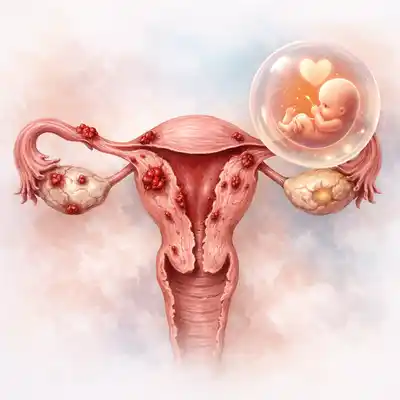
How Does Endometriosis Affect Fertility?
Endometriosis can make it harder to conceive by affecting the reproductive organs and causing inflammation inside the pelvis. In some women, scar tissue and adhesions may block the fallopian tubes or interfere with the release of eggs from the ovaries.
Common fertility-related problems include:
- Damage to ovarian tissue
- Blocked or distorted fallopian tubes
- Inflammation affecting egg quality
- Difficulty with embryo implantation
- Painful intercourse affecting conception timing
However, many women with mild to moderate endometriosis can still become pregnant naturally.
Endometriosis and Pregnancy Chances
| Condition Severity | Pregnancy Possibility | Treatment May Be Needed |
|---|---|---|
| Mild Endometriosis | Often possible naturally | Sometimes no |
| Moderate Endometriosis | Reduced fertility | Medicines or IUI |
| Severe Endometriosis | Lower natural conception chances | IVF or surgery |
Can You Get Pregnant with Endometriosis?
Yes. Mild endometriosis often allows natural conception, while moderate to severe cases may require medical or assisted reproductive treatments such as IVF.
Symptoms of Endometriosis
Symptoms can vary from mild to severe and may include:
- Severe menstrual cramps
- Chronic pelvic pain
- Pain during intercourse
- Heavy menstrual bleeding
- Pain during bowel movements
- Fatigue and bloating
- Difficulty getting pregnant
Some women may have endometriosis without noticeable symptoms.
Treatment Options for Fertility
- Laparoscopic surgery
- Ovulation induction
- Intrauterine insemination (IUI)
- In vitro fertilization (IVF)
laparoscopic gynecological procedure
Diagnosis of Endometriosis
Doctors may recommend several tests to diagnose endometriosis and evaluate fertility health, including:
- Pelvic examination
- Ultrasound scan
- MRI scan
- Laparoscopy (keyhole surgery)
- Fertility hormone testing
Early diagnosis and treatment can improve the chances of successful pregnancy.
Doctor’s Advice
If you have been trying to conceive for more than 6–12 months and experience painful periods or pelvic pain, consult a gynecologist or fertility specialist. Early management of endometriosis can help protect fertility and improve pregnancy outcomes.
Lifestyle Tips to Improve Fertility with Endometriosis
Healthy lifestyle habits may help improve reproductive health and reduce inflammation:
- Maintain a healthy weight
- Eat an anti-inflammatory diet
- Exercise regularly
- Avoid smoking and excessive alcohol
- Manage stress levels
- Get adequate sleep
Medical treatment may still be necessary in moderate or severe cases.
FAQs
1.Can endometriosis cause infertility?
Yes, but not all women with endometriosis are infertile.
2.Is IVF successful in endometriosis?
Yes. IVF success rates are comparable when managed early.
3.Does pregnancy cure endometriosis?
Pregnancy may reduce symptoms temporarily but does not cure it.
Read more
Endometriosis: Causes, Symptoms, Diagnosis and Treatment
Endometriosis Treatment Options: Medicines, Surgery & Fertility Care
Adenomyosis vs Endometriosis: Key Differences, Symptoms, Diagnosis & Treatment
Diet for Endometriosis: Best Foods, Foods to Avoid & Anti-Inflammatory Nutrition Guide
External authoritative links
NHS,
Authoritative video link
Myth or Fact? 8 Common Endometriosis Questions Answered Source: Cleveland Clinic