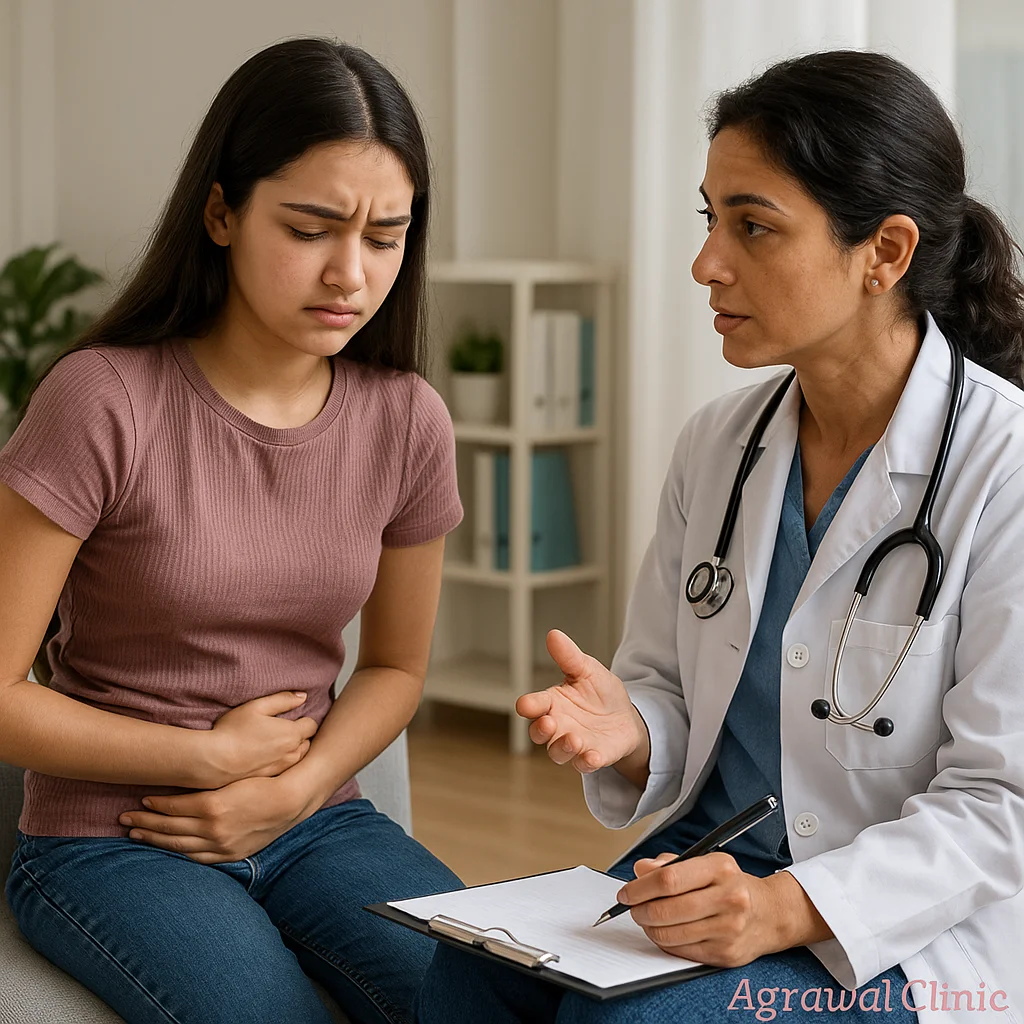
Dysmenorrhea in Adolescents – Causes, Symptoms, Diagnosis & Treatment
Dysmenorrhea, or painful menstrual periods, is one of the most common complaints among adolescent girls. Severe period pain can affect school attendance, concentration, sports participation and emotional wellbeing. Early diagnosis and proper management help prevent long-term complications.
This detailed guide explains the causes, symptoms, treatment options, and warning signs of dysmenorrhea in teenagers. Recommended guidelines from the WHO, UNICEF and ACOG have been used to prepare this educational material.
What Is Dysmenorrhea?
Dysmenorrhea refers to lower abdominal cramping pain occurring just before or during menstruation. It is classified into:
1. Primary Dysmenorrhea
- Common in adolescents soon after menarche
- Caused by high prostaglandin levels
- No structural abnormality
- Improves with age
2. Secondary Dysmenorrhea
Caused by underlying medical conditions such as:
- Endometriosis
- Ovarian cysts
- Adenomyosis
- Pelvic inflammatory disease
- Congenital uterine anomalies
Secondary dysmenorrhea must be evaluated by a gynecologist early for best outcomes.
Why Is Dysmenorrhea Common in Teenagers?
- Elevated prostaglandin levels during early periods
- Irregular ovulatory cycles
- Academic stress and sleep disturbance
- Sedentary lifestyle and lack of exercise
- Low iron levels causing fatigue
Symptoms of Dysmenorrhea in Adolescents
- Lower abdominal cramps
- Pain radiating to back or thighs
- Nausea or vomiting
- Headache
- Loose stools
- Fatigue and low energy
- Mood irritability
- Missing school or sports due to pain
Causes of Severe Period Pain
Primary Causes
- High prostaglandin levels
- Stress-related hormonal imbalance
- Inadequate sleep
- Poor dietary habits
Secondary Causes
- Endometriosis in teenagers
- Pelvic inflammatory disease
- Ovarian cysts
- Uterine or cervical abnormalities
Diagnosis of Dysmenorrhea
Evaluation includes:
- Detailed menstrual history
- Pain intensity assessment
- Pelvic ultrasound
- Blood tests for anemia
- Hormonal evaluation if required
Secondary dysmenorrhea should be suspected if:
- Pain worsens every month
- Pain lasts beyond 72 hours
- Pain does not respond to medicines
- There is heavy bleeding or irregular cycles
Treatment Options
1. Heat Therapy
Heating pads or hot-water bags help relieve cramps.
2. Pain Relief (NSAIDs)
Ibuprofen, mefenamic acid or naproxen reduce prostaglandins and ease pain.
3. Hormonal Treatment
Oral contraceptive pills or progesterone therapy regulate periods and reduce pain.
4. Lifestyle Measures
- Iron-rich balanced diet
- Adequate hydration
- Regular exercise
- 7–8 hours of sleep
- Reduced junk food and caffeine
5. Treating Underlying Disease
If endometriosis, PID or ovarian cysts are present, disease-specific treatment is essential.
Natural Remedies
- Warm baths
- Gentle abdominal massage
- Yoga – Bhujangasana, Dhanurasana, Pawanmuktasana
- Deep breathing techniques
When to See a Gynecologist
- Pain prevents school attendance
- Pain is worsening every cycle
- Heavy bleeding or clots
- Pain does not improve with medications
- Family history of endometriosis
Possible Complications If Untreated
- Chronic pelvic pain
- School absenteeism
- Anxiety or stress
- Progressive endometriosis
- Future fertility concerns
Helpful Authoritative Links
Internal Links (BestGyno.in)
FAQs
1. What causes severe period pain in adolescents?
Mostly high prostaglandins. Sometimes endometriosis or ovarian cysts.
2. How can teenagers naturally reduce cramps?
Heat therapy, hydration, yoga and adequate sleep.
3. When is medical evaluation required?
If pain affects daily activity or does not respond to medication.
4. Can adolescent dysmenorrhea be a sign of endometriosis?
Yes—especially if pain worsens each cycle.
5. Is dysmenorrhea common in Delhi NCR?
Yes, due to lifestyle stress, sleep issues and nutritional deficiencies.