Polycystic Ovary Syndrome (PCOS) is one of the most common hormonal conditions affecting women of reproductive age. Nearly 1 in 5 Indian women have PCOS, and many worry whether they can conceive naturally. As a Gynaecologist with over 27 years of experience, I want to reassure you that most women with PCOS get pregnant with the right treatment and lifestyle care.
This medically accurate guide explains how PCOS affects fertility, natural and medical ways to improve chances, treatment options, and early pregnancy risks — so you can plan pregnancy confidently and safely.
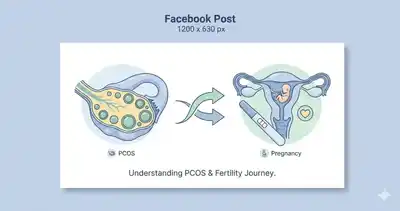
Can Women with PCOS Get Pregnant Naturally?
Yes. Most women with PCOS are able to conceive with timely intervention, weight management, and ovulation-focused treatment. The main issue in PCOS is irregular ovulation, not permanent infertility.
Women with PCOS may experience:
- Delayed ovulation
- Anovulatory cycles
- Irregular periods
- Insulin resistance
However, even small improvements in metabolism and hormones can restore ovulation and increase pregnancy chances significantly.
How PCOS Affects Fertility
The most common reason for difficulty in conceiving with PCOS is hormonal imbalance, especially:
- High androgens
- Insulin resistance
- Low progesterone
- Irregular or absent ovulation
These factors make it harder for the egg to mature and release on time.
Symptoms of PCOS That Affect Pregnancy
- Irregular periods (most common sign)
- Acne and oily skin
- Excess facial hair
- Weight gain or difficulty losing weight
- Hair thinning
- Dark patches of skin (Acanthosis Nigricans)
If you have these symptoms along with irregular cycles, it’s advisable to consult a gynaecologist early.
What Is the Best Age to Conceive with PCOS?
Age plays a crucial role in fertility, even with PCOS. The best fertility window is:
- 20–32 years (highest natural chances)
- 32–37 years (moderate chances)
- After 37 (fertility declines faster)
With proper ovulation induction treatment, pregnancy is still possible at later ages.
How to Improve Pregnancy Chances with PCOS
PCOS treatment aims to restore natural ovulation. The most proven methods include:
1. Weight Management (Even 5–10% Weight Loss Helps)
Losing even 2–4 kg can drastically improve ovulation and reduce insulin resistance.
2. Diet Changes
- Low GI foods
- More proteins and fibre
- Whole grains
- Reduced sugar intake
- Anti-inflammatory foods
3. Exercise
45–60 minutes of moderate exercise daily improves metabolism and hormonal balance.
4. Medications for Ovulation
Common medications include:
- Letrozole (first-line)
- Clomiphene citrate
- Metformin (for insulin resistance)
- Progesterone support
5. Supplements to Support Fertility
- Myo-inositol + D-chiro inositol
- Vitamin D
- Omega-3
- Folic acid
Learn more
Infertility in Men & Women: Complete Guide to Causes, Symptoms, Tests & Treatment
PCOS and Ovulation: Understanding the Connection
PCOS & Pregnancy: Chances, Risks & Safe Treatment Options
IVF Success Tips – Doctor’s Scientific Guide (2025 Edition)
When Do Women with PCOS Need IVF?
IVF may be recommended if:
- Ovulation medicines are not working
- Male factor infertility exists
- You are above 35 years
- You have been trying for >1 year
Success rates are good because most women with PCOS have good egg reserve.
Risks of Pregnancy with PCOS
Women with PCOS have slightly higher risk of:
- Gestational diabetes
- High blood pressure
- Preterm delivery
- Miscarriage
- Multiple pregnancy (especially with ovulation medicines)
Good antenatal care reduces these risks significantly.
How to Prevent Complications in PCOS Pregnancy
- Start folic acid early
- Maintain healthy weight
- Regular antenatal check-ups
- Control sugar levels
- Monitor thyroid and insulin
- Avoid self-medication
Learn more
Treatment Options for PCOD & PCOS: Complete Medical & Lifestyle Management Guide
PCOS & Pregnancy: Chances, Risks & Safe Treatment Options
PCOS & Period Problems: How Hormones Affect Your Menstrual Cycle
PCOS and Ovulation: Understanding the Connection
Authoritative References
Internal Links (Correct & Working Only)
Frequently Asked Questions (FAQ)
1. Can women with PCOS get pregnant naturally?
Yes. Most women conceive naturally with weight control and ovulation-focused treatment.
2. What is the best treatment for PCOS-related infertility?
Letrozole is usually the first-line ovulation medicine, along with lifestyle changes.
3. Does PCOS increase miscarriage risk?
Yes, slightly. But risks reduce with good sugar and hormone control.
4. Is IVF necessary for all women with PCOS?
No. IVF is only needed when medicines fail or other infertility factors are present.
5. Can PCOS symptoms improve after pregnancy?
Some women see temporary improvement, but PCOS does not permanently go away.