What Is Dysmenorrhea? millions of menstruating individuals, “that time of the month” isn’t just a minor inconvenience—it’s a disruptive, agonizing ordeal.
If you find yourself canceling plans, missing work, or curled up in the fetal position clutching a heating pad every month, you are likely dealing with something more than “just cramps.” it can be dysmenorrhea
You are dealing with dysmenorrhea, the medical term for painful periods. While common, severe period pain is not something you just have to “push through.” It is a real physiological condition that deserves attention and effective treatment.
This guide explores the mechanisms behind dysmenorrhea, evidence-based natural remedies for menstrual cramps, and standard medical treatments to help you reclaim your life from monthly pain.
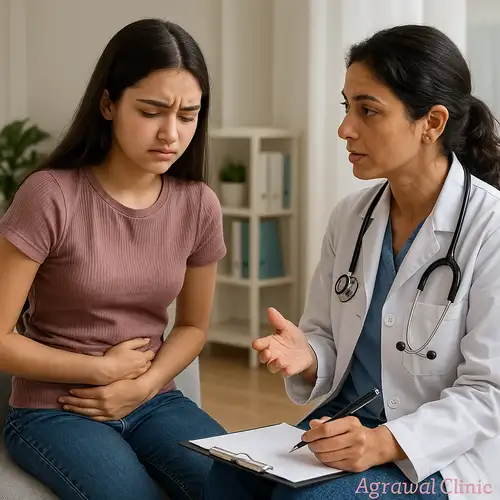
Understanding the Beast: What Causes Dysmenorrhea?
Before diving into solutions, it is vital to understand why this happens during your menstrual cycle. Dysmenorrhea is generally categorized into two types: primary and secondary.
Watch this video by Dr Mamta Agrawa to understand dysmenorrhoea (painful periods), its causes, symptoms, and effective treatment options. Learn when menstrual pain is normal and when you should consult a gynecologist

Primary Dysmenorrhea: The Prostaglandin Effect
This is the most common type of period pain, usually beginning soon after you first start getting periods. It is not caused by another medical condition. The culprit here is a chemical compound called prostaglandins.
Before menstruation, your uterus builds up a lining. If pregnancy doesn’t occur, prostaglandin levels rise, causing the uterine muscles to contract (cramp) to shed that lining. Higher levels of prostaglandins equate to stronger contractions and more severe period pain. These chemicals can also enter the bloodstream, leading to associated symptoms like nausea, vomiting, diarrhea, and headaches.
Secondary Dysmenorrhea: Underlying Conditions
This type of pain often begins later in life and may last longer than regular menstrual cramps, sometimes continuing throughout the month. Secondary dysmenorrhea is caused by an underlying reproductive health issue, such as:
- Endometriosis: Tissue similar to the uterine lining grows outside the uterus.
- Uterine Fibroids: Noncancerous growths in the wall of the uterus.
- Adenomyosis: The uterine lining grows into the muscle wall of the uterus.
If your period pain has suddenly worsened or changed in nature, it is vital to consult a healthcare provider to rule out these conditions.
Natural Remedies: Holistic Approaches to Pain Management
For many, finding relief starts at home with non-pharmaceutical interventions. While these may not entirely eliminate severe dysmenorrhea, they can significantly take the edge off.
1. Heat Therapy: The Oldest Trick in the Book Never underestimate the power of a heating pad or a hot water bottle applied to the lower abdomen. Heat increases blood flow to the uterus, which can help relax the uterine muscles and reduce the intensity of contractions.
2. Dietary Adjustments and Supplements Certain nutrients play a role in muscle relaxation and inflammation reduction.
- Magnesium: Often called nature’s muscle relaxant, magnesium supplements may help ease uterine cramping.
- Omega-3 Fatty Acids: Found in fish oil, omega-3s are known for their anti-inflammatory properties. Some research suggests regular intake can reduce the production of inflammatory prostaglandins.
- Ginger: Known for soothing stomachs, ginger also has anti-inflammatory properties that may rival mild painkillers for some individuals.
3. Movement and Exercise While high-intensity exercise might feel impossible when you are in pain, gentle movement like walking or yoga can release endorphins—your body’s natural painkillers—which may help alleviate symptoms.
Medical Treatments: The Clinical Toolkit
When natural remedies aren’t enough to manage severe period pain, conventional medicine offers highly effective options.
1. Nonsteroidal Anti-Inflammatory Drugs (NSAIDs) This is usually the first line of defense. Unlike acetaminophen (Tylenol), which only addresses pain perception, NSAIDs like ibuprofen (Advil, Motrin) and naproxen (Aleve) target the root cause. They work by lowering the production of prostaglandins.
Key Tip: For the best pain relief for period cramps, start taking NSAIDs a day before your period is expected to start, or at the very first sign of bleeding, to prevent prostaglandin levels from peaking.
2. Hormonal Birth Control Hormonal contraceptives—such as the pill, the patch, the ring, or the hormonal IUD (intrauterine device)—are incredibly effective at treating primary dysmenorrhea. They work by preventing ovulation and thinning the lining of the uterus. A thinner lining means fewer prostaglandins are produced, resulting in lighter, less painful periods.
When to See a Doctor: Red Flags You Shouldn’t Ignore
It is a sad reality that many people normalize debilitating pain because they’ve been told periods are supposed to hurt. While some discomfort is normal, agony is not.
You should seek professional medical advice if:
- Over-the-counter NSAIDs and natural remedies do not provide relief.
- Pain prevents you from attending school, work, or social activities.
- You experience pain during sex or during bowel movements.
- Your cramps are accompanied by extremely heavy bleeding (soaking through a pad or tampon every hour).
These could be signs of secondary dysmenorrhea caused by conditions like endometriosis or fibroids, which require specialized treatment plans.
Conclusion
Severe period pain is a valid medical issue that can significantly impact your quality of life. You do not have to suffer in silence. By understanding the mechanisms of dysmenorrhea and utilizing a combination of natural strategies and medical treatments, you can manage the pain effectively. Advocate for yourself, track your symptoms, and consult a healthcare provider to find the relief you deserve.
Know more
Laparoscopic Gynecological Procedures: Advanced Minimally Invasive Surgery for Women
HSG Test (Hysterosalpingography): Purpose, Procedure, Pain, Cost & Results Explained
Uterine Fibroids: Causes, Symptoms, Diagnosis, and Treatment Option
Heavy Menstrual Bleeding: Causes, Diagnosis & Effective Treatments
Endometriosis: Causes, Symptoms, Diagnosis and Treatment
Frequently Asked Questions About Severe Period Pain
Q: How do I know if my cramps are “normal” or if I have Dysmenorrhea? A: This is the most common question we hear. “Normal” menstrual cramping might be uncomfortable, but it shouldn’t stop you from living your life. If your pain requires you to miss work or school, causes vomiting, or doesn’t improve with over-the-counter medication, you are likely dealing with dysmenorrhea. Pain that disrupts daily activities is never something you should just accept as “part of being a woman.”
Q: Can changing my diet really help with severe menstrual cramps? A: Surprisingly, yes. An anti-inflammatory diet for period pain can be a game-changer. Since prostaglandins (the chemicals causing cramps) are inflammatory, reducing inflammation in your body can lower their production. Many experts recommend reducing sugar, caffeine, and processed foods the week before your period. Instead, focus on foods rich in omega-3 fatty acids (like salmon and flaxseeds) and magnesium (like spinach and dark chocolate).
Q: Is severe period pain a sign of infertility? A: Not necessarily, but there is a link. Primary dysmenorrhea (pain without an underlying condition) generally does not affect fertility. However, secondary dysmenorrhea caused by conditions like endometriosis or uterine fibroids can impact fertility. If you are worried about your reproductive health, early diagnosis is key. Treating the underlying cause of the pain often improves fertility outcomes.
Q: Do TENS machines actually work for period pain relief? A: Transcutaneous Electrical Nerve Stimulation (TENS) units are gaining popularity as a drug-free option. They work by sending small electrical pulses through pads placed on your skin. These pulses can interrupt pain signals traveling to the brain and stimulate the production of endorphins. Many users find them effective for managing the constant, dull ache of menstrual cramps, though they may not fully block sudden, sharp spikes of pain.
Q: Why do I feel pain in my legs and lower back, not just my stomach? A: It’s not in your head—it’s “referred pain.” The network of nerves in your pelvis is interconnected. When your uterus contracts strongly, it can press against nearby blood vessels and nerves, cutting off oxygen supply to muscle tissue nearby. This pain can radiate (travel) to your lower back and down your inner thighs.
Q: Will having a baby cure my period pain? A: You may have heard the old wives’ tale that childbirth “cures” dysmenorrhea. While it is true that some people experience lighter or less painful periods after a vaginal delivery (possibly due to the stretching of the cervix or the elimination of certain prostaglandin receptors), it is not a guaranteed cure. You should not rely on pregnancy as a treatment plan for pain management; medical intervention is far more reliable.