Adenomyosis vs Endometriosis is a common comparison among women suffering from chronic pelvic pain, heavy menstrual bleeding, and infertility. Although these two conditions share overlapping symptoms, they are distinct gynecological disorders affecting different parts of the female reproductive system.
Understanding the difference between adenomyosis and endometriosis is essential for accurate diagnosis, effective treatment, and long-term symptom relief.
What Is Adenomyosis?
Adenomyosis occurs when endometrial tissue (the uterine lining) grows into the muscular wall of the uterus (myometrium). This causes the uterus to become enlarged, tender, and painful, especially during menstruation.

Common Symptoms of Adenomyosis
- Heavy or prolonged menstrual bleeding
- Severe menstrual cramps (dysmenorrhea)
- Pelvic pain and pressure
- Enlarged or bulky uterus
- Pain during intercourse
Adenomyosis is most commonly diagnosed in women aged 35–50 and often worsens after childbirth.
What Is Endometriosis?
Endometriosis is a chronic inflammatory condition where tissue similar to the uterine lining grows outside the uterus—commonly on the ovaries, fallopian tubes, pelvic lining, bladder, or intestines.
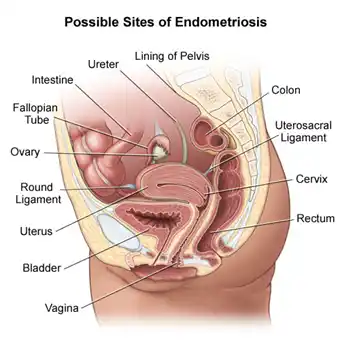
Common Symptoms of Endometriosis
- Chronic pelvic pain
- Painful periods
- Pain during or after intercourse
- Infertility or difficulty conceiving
- Bowel or bladder pain during periods
Unlike adenomyosis, endometriosis can affect women of any reproductive age, including teenagers.
Adenomyosis vs Endometriosis: Key Differences
| Feature | Adenomyosis | Endometriosis |
|---|---|---|
| Location | Inside uterine muscle wall | Outside the uterus |
| Uterine Size | Enlarged uterus | Usually normal size |
| Main Symptom | Heavy menstrual bleeding | Chronic pelvic pain & infertility |
| Diagnosis | Ultrasound, MRI | Laparoscopy (gold standard) |
| Fertility Impact | Moderate | High |
Diagnosis: How Are They Identified?
Accurate diagnosis is crucial, as treatment approaches differ.
Adenomyosis Diagnosis
- Pelvic ultrasound
- MRI scan
- Clinical examination
Endometriosis Diagnosis
- Pelvic imaging (supportive)
- Diagnostic laparoscopy (definitive)
- Histopathological confirmation
Treatment Options for Adenomyosis vs Endometriosis
Adenomyosis Treatment
- Hormonal therapy (oral contraceptives, progestins)
- Levonorgestrel IUD
- GnRH analogs
- Hysterectomy (definitive treatment)
Endometriosis Treatment
- Pain management (NSAIDs)
- Hormonal suppression therapy
- Laparoscopic excision surgery
- Fertility-preserving treatments
laparoscopic gynecological procedure
Individualized treatment plans are essential, especially for women planning pregnancy.
Can You Have Both Conditions Together?
Yes. Many women are diagnosed with both adenomyosis and endometriosis, which can intensify symptoms and complicate management. This coexistence requires expert gynecological care.
When Should You See a Gynecologist?
If you experience severe period pain, heavy bleeding, chronic pelvic pain, or fertility issues, early consultation with a gynecologist is crucial. Delayed diagnosis can worsen disease progression and quality of life.
Frequently Asked Questions (FAQs)
1. Is adenomyosis worse than endometriosis?
Neither condition is inherently worse; severity depends on symptoms, disease extent, and fertility goals.
2. Can adenomyosis be cured without surgery?
Symptoms can be managed medically, but hysterectomy is the only definitive cure.
3. Does endometriosis always cause infertility?
No. Many women with endometriosis conceive naturally, though fertility may be reduced.
4. Which condition causes heavier bleeding?
Adenomyosis is more strongly associated with heavy menstrual bleeding.
5. Can lifestyle changes help?
Yes. Anti-inflammatory diets, stress reduction, exercise, and pain management techniques may help support medical treatment.
Read more
Endometriosis: Causes, Symptoms, Diagnosis and Treatment
Endometriosis Treatment Options: Medicines, Surgery & Fertility Care
Deep Infiltrating Endometriosis: Diagnosis and Treatment
Endometriosis and Infertility: Can You Get Pregnant?
Adenomyosis vs Endometriosis: Key Differences, Symptoms, Diagnosis & Treatment
Diet for Endometriosis: Best Foods, Foods to Avoid & Anti-Inflammatory Nutrition Guide
Authoritative External Resources
- American College of Obstetricians and Gynecologists – Adenomyosis
- World Health Organization – Endometriosis
- NIH – Clinical Overview of Adenomyosis
