Calcium in Pregnancy: Why It Is Essential for Mother and Baby
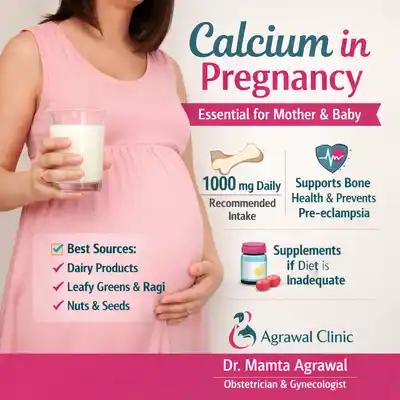
Calcium in pregnancy plays a vital role in the healthy development of your baby and the long-term bone health of the mother. During pregnancy, your body needs more calcium to support fetal skeletal growth, maintain maternal bone density, regulate muscle function, and prevent complications such as hypertension and pre-eclampsia.
This comprehensive guide explains the importance of calcium in pregnancy, recommended daily intake, best dietary sources, symptoms of deficiency, and answers common questions expectant mothers ask.
Why Calcium Is Important During Pregnancy
Calcium is required for the formation of your baby’s bones, teeth, heart, muscles, and nerves. If your diet does not supply enough calcium, the fetus will draw calcium from your bones, increasing your risk of osteoporosis and fractures later in life.
Functions of calcium in pregnancy include:
- Building strong fetal bones and teeth
- Supporting healthy heart rhythm and muscle contraction
- Helping blood clot normally
- Reducing the risk of pregnancy-induced hypertension
- Maintaining maternal bone density
Recommended Calcium Intake in Pregnancy
The recommended daily intake of calcium in pregnancy is:
- 1,000 mg/day for women aged 19–50 years
- 1,300 mg/day for pregnant adolescents under 19 years
These requirements are higher in pregnancy due to increased fetal demand and maternal physiological changes.
Best Food Sources of Calcium for Pregnant Women
Natural dietary sources of calcium in pregnancy are preferred whenever possible.
- Milk, curd (yogurt), paneer, and cheese
- Ragi (finger millet), sesame seeds (til), almonds
- Green leafy vegetables such as spinach, kale, broccoli
- Fortified cereals and fortified plant milks
- Sardines and small fish with bones
Vitamin D is essential for calcium absorption, so adequate sunlight exposure and vitamin D intake are equally important.
Signs and Symptoms of Calcium Deficiency in Pregnancy
Low calcium levels during pregnancy can lead to maternal and fetal complications.
- Leg cramps, especially at night
- Bone and joint pain
- Numbness or tingling in fingers
- Weak nails and tooth problems
- Increased risk of pre-eclampsia
Calcium Supplements in Pregnancy
If dietary intake is insufficient, doctors may recommend calcium supplements in pregnancy, often combined with vitamin D. Supplements are usually advised after meals and separated from iron tablets by at least 2 hours to ensure proper absorption.
Never self-medicate. Excess calcium can cause kidney stones, constipation, and interfere with iron absorption.
Safety and Side Effects
Calcium in pregnancy is safe when taken within recommended limits. Excess intake may lead to bloating, constipation, kidney stone formation, and rarely hypercalcemia. Always follow your doctor’s guidance regarding dosage.
Authoritative References
- World Health Organization – Calcium supplementation in pregnancy
- NIH Office of Dietary Supplements – Calcium Fact Sheet
- CDC – Calcium and Pregnancy
Frequently Asked Questions (FAQs)
How much calcium in pregnancy is enough?
Most pregnant women need 1,000 mg of calcium daily. Teen pregnancies require 1,300 mg per day.
Can calcium prevent pre-eclampsia?
Studies show that adequate calcium intake reduces the risk of pregnancy-induced hypertension and pre-eclampsia, especially in women with low baseline intake.
Is milk the only good source of calcium?
No. Ragi, sesame seeds, leafy greens, fortified foods, and nuts are excellent alternatives, especially for lactose-intolerant women.
When should calcium supplements be taken in pregnancy?
Calcium supplements should be taken after meals and spaced away from iron supplements for better absorption.
Can too much calcium be harmful?
Yes. Excess calcium can cause kidney stones, constipation, and interfere with iron absorption.
Authoritative References
WHO – Calcium supplementation in pregnancy
👉 Provides global recommendations for calcium supplementation to reduce risk of pre-eclampsia. WHO Recommendations on Calcium in Pregnancy (WHO)
NIH Office of Dietary Supplements – Calcium Fact Sheet
👉 National Institutes of Health resource with recommended daily intakes for adults including pregnant women. Calcium – Health Professional Fact Sheet (NIH ODS)
MedlinePlus – Pregnancy and Nutrition
👉 U.S. National Library of Medicine consumer health info, including calcium daily needs in pregnancy. Pregnancy and Nutrition – MedlinePlus
