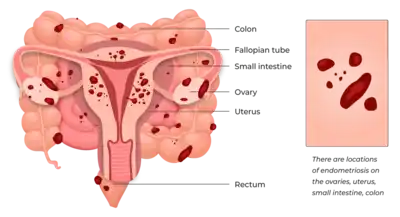
Deep infiltrating endometriosis (DIE) is one of the most severe and complex forms of endometriosis. Unlike superficial endometriosis, DIE penetrates more than 5 mm beneath the peritoneal surface and can involve vital organs such as the bowel, bladder, ureters, and ligaments supporting the uterus. Early diagnosis and appropriate treatment are crucial to prevent complications and preserve quality of life.
What Is Deep Infiltrating Endometriosis?
Deep infiltrating endometriosis is a progressive form of endometriosis where endometrial-like tissue grows aggressively into pelvic structures. These lesions can cause chronic inflammation, fibrosis, and severe pain. Women with DIE often experience symptoms that significantly interfere with daily life.
Common Symptoms of Deep Infiltrating Endometriosis
- Severe pelvic pain, especially during menstruation
- Pain during or after sexual intercourse (deep dyspareunia)
- Painful bowel movements or rectal pain
- Painful urination or urinary symptoms
- Chronic lower back pain
- Infertility or difficulty conceiving
Symptoms may vary depending on which organs are affected, making diagnosis challenging.
Why Deep Infiltrating Endometriosis Is Difficult to Diagnose
Many women with deep infiltrating endometriosis experience delayed diagnosis, often taking several years. This is because symptoms may mimic other gastrointestinal or urinary conditions, and routine ultrasounds may miss deep lesions.
Diagnosis of Deep Infiltrating Endometriosis
A combination of clinical evaluation and advanced imaging is essential for accurate diagnosis.
1. Detailed Clinical History
A gynecologist evaluates menstrual pain patterns, bowel or bladder symptoms, and fertility concerns.
2. Pelvic Examination
Specialized pelvic exams can sometimes detect nodules or tenderness in specific areas.
3. Imaging Tests
- Transvaginal ultrasound (expert-guided)
- MRI pelvis – considered the gold standard for mapping deep infiltrating endometriosis
MRI helps identify the extent of disease and organ involvement.
4. Diagnostic Laparoscopy
Laparoscopy remains the definitive method for diagnosing deep infiltrating endometriosis and allows for simultaneous treatment.
Treatment of Deep Infiltrating Endometriosis
Treatment depends on symptom severity, age, fertility goals, and organ involvement. A personalized approach is essential.
1. Medical Management
Medical treatment focuses on symptom control and slowing disease progression:
- Hormonal contraceptives
- Progestins
- GnRH agonists or antagonists
- Pain management medications
Medical therapy does not remove existing lesions but may reduce pain.
2. Surgical Treatment
Surgery is often recommended for women with severe pain, organ dysfunction, or infertility. Advanced laparoscopic surgery aims to completely excise deep infiltrating endometriosis while preserving healthy tissue.
Surgical treatment should always be performed by an experienced endometriosis specialist due to the complexity of the disease.
3. Fertility-Focused Treatment
For women trying to conceive, fertility-preserving surgery or assisted reproductive techniques may be recommended based on individual circumstances.
Long-Term Management and Lifestyle Support
Deep infiltrating endometriosis is a chronic condition. Long-term follow-up, hormonal support, dietary modifications, stress management, and pelvic physiotherapy can improve outcomes and quality of life.
When to See a Specialist
If you experience severe menstrual pain, pain during intercourse, bowel or urinary pain, or infertility, consult a gynecologist experienced in diagnosing and treating deep infiltrating endometriosis.
Frequently Asked Questions (FAQs)
1.Is deep infiltrating endometriosis curable?
There is no permanent cure, but proper treatment can effectively manage symptoms and improve quality of life.
2. Can deep infiltrating endometriosis cause infertility?
Yes, DIE can affect fertility, but many women conceive naturally or with medical assistance after treatment.
3. Is surgery always required for deep infiltrating endometriosis?
No. Mild to moderate symptoms may be managed medically, while severe cases may require surgery.
4. How accurate is MRI for diagnosing deep infiltrating endometriosis?
MRI is highly accurate when performed and interpreted by experienced radiologists.
Read more
Endometriosis: Causes, Symptoms, Diagnosis and Treatment
Endometriosis Treatment Options: Medicines, Surgery & Fertility Care
Deep Infiltrating Endometriosis: Diagnosis and Treatment
Endometriosis and Infertility: Can You Get Pregnant?
Adenomyosis vs Endometriosis: Key Differences, Symptoms, Diagnosis & Treatment
Diet for Endometriosis: Best Foods, Foods to Avoid & Anti-Inflammatory Nutrition Guide
Authoritative External Resources
- World Health Organization – Endometriosis
- American College of Obstetricians and Gynecologists
- National Institutes of Health – Deep Infiltrating Endometriosis
