Polycystic Ovary Disease (PCOD) and Polycystic Ovary Syndrome (PCOS) are common hormonal disorders affecting women of reproductive age. This detailed guide explains evidence-based treatment options for PCOD and PCOS, including lifestyle changes, medical therapies, fertility treatments, and long-term management strategies.
Understanding PCOD and PCOS Treatment Approach
There is no single cure for PCOD or PCOS. Treatment focuses on symptom control, hormonal balance, metabolic health, and fertility goals. Management is individualized based on age, symptoms, weight, insulin resistance, and pregnancy planning.
According to global medical guidelines – early diagnosis and long-term management significantly reduce complications.
1. Lifestyle Modification – First-Line Treatment for PCOD & PCOS
Lifestyle changes are the cornerstone of PCOD and PCOS treatment, especially for overweight or insulin-resistant women.

✔ Weight Management
Even 5–10% weight loss can restore ovulation, regulate periods, and reduce androgen levels. A calorie-controlled diet combined with regular physical activity improves insulin sensitivity.
✔ PCOS-Friendly Diet
- Low glycemic index foods
- High fiber fruits and vegetables
- Lean proteins and healthy fats
- Reduced sugar and refined carbohydrates
✔ Exercise & Stress Reduction
Regular aerobic exercise, yoga, and mindfulness practices help regulate hormones and reduce cortisol levels.
2. Medical Treatment Options for PCOD & PCOS
Hormonal Regulation Therapy
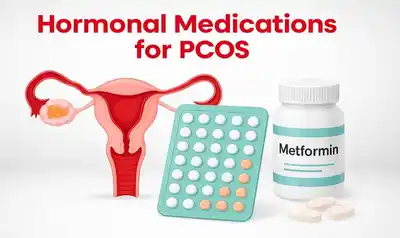
Combined oral contraceptive pills are commonly prescribed to regulate menstrual cycles, reduce acne, and control excessive hair growth by lowering androgen levels.
Insulin Sensitizers
Medications that improve insulin resistance are effective in managing metabolic symptoms and restoring ovulation in PCOS patients with insulin resistance.
Anti-Androgen Medications
These medicines help treat hirsutism (excess facial hair) and acne when lifestyle changes alone are insufficient.
3. Fertility Treatment Options for PCOS
Women planning pregnancy may require specialized fertility treatments depending on ovulation status.
- Ovulation induction medications
- Ultrasound-guided follicular monitoring
- Assisted reproductive techniques (ART)
Fertility-focused PCOS treatment has a high success rate when managed by experienced gynecologists and fertility specialists.
4. Treatment for Acne, Hair Fall & Excess Hair Growth
PCOS-related skin and hair symptoms require a combination of hormonal treatment, dermatological care, and lifestyle modification.
- Medical therapy for androgen control
- Laser hair reduction for hirsutism
- Topical acne treatments
5. Long-Term Management & Complication Prevention
Untreated PCOD and PCOS increase the risk of diabetes, heart disease, infertility, and endometrial cancer. Regular follow-ups and preventive care are essential.
- Routine blood sugar and lipid monitoring
- Blood pressure checks
- Endometrial protection in irregular cycles
When to Consult a Doctor?
Seek medical advice if you experience irregular periods, difficulty conceiving, rapid weight gain, excessive hair growth, or persistent acne.
Frequently Asked Questions (FAQs)
1. What is the best treatment option for PCOD and PCOS?
The best treatment depends on symptoms and goals. Lifestyle modification is the first-line treatment, followed by medical or fertility treatments if required.
2. Can PCOS be treated without medicines?
Yes, many women manage PCOS effectively through diet, exercise, and weight loss, especially in early or mild cases.
3. Is PCOS treatment lifelong?
PCOS is a chronic condition, but symptoms can be well controlled long-term with proper management and regular monitoring.
Learn more
Treatment Options for PCOD & PCOS: Complete Medical & Lifestyle Management Guide
PCOS & Pregnancy: Chances, Risks & Safe Treatment Options
PCOS & Period Problems: How Hormones Affect Your Menstrual Cycle
PCOS and Ovulation: Understanding the Connection
Authoritative References
Authoritative video links
Cleveland Clinic-Understanding the “First Line” of treatment: Nutrition and Insulin control.
ACOG-The standard guidelines for hormonal regulation and long-term health.
