Polycystic Ovary Syndrome (PCOS) is one of the most common hormonal conditions affecting women of reproductive age. One of the main concerns women face with PCOS is irregular or absent ovulation, which can impact menstrual cycles and fertility. The good news is that with the right guidance and treatment, most women with PCOS can restore ovulation and conceive naturally.
What is PCOS?
PCOS is a hormonal imbalance in which the ovaries produce higher-than-normal male hormones (androgens). This affects the growth and release of eggs from the ovaries.
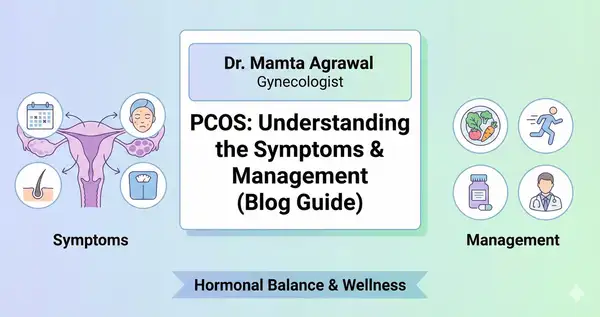
Common symptoms include:
- Irregular periods
- Acne or oily skin
- Excess facial/body hair
- Weight gain or difficulty losing weight
- Hair thinning on the scalp
- Difficulty in getting pregnant
How PCOS Affects Ovulation
Ovulation is the monthly release of a mature egg from the ovary. In PCOS:
- Hormonal imbalance disturbs egg growth
- Follicles do not mature properly
- Ovulation becomes irregular or stops (anovulation)
As a result, periods may come late, once in 2–3 months, or may be very light/heavy.
Can Women With PCOS Ovulate Naturally?
Yes. Many women with PCOS still ovulate, but not regularly. Lifestyle changes and medical treatment can improve ovulation frequency.
Signs of Ovulation in PCOS
Even with PCOS, you may notice:
- Mild abdominal pain (ovulation pain)
- Clear, stretchy vaginal discharge
- Slight rise in basal body temperature
- Increased sexual desire
However, because cycles are unpredictable, tracking ovulation may be difficult.
Improving Ovulation Naturally in PCOS
Simple lifestyle changes can help regulate hormones and promote ovulation:
✔ Maintain a healthy weight
✔ 30–45 minutes of exercise at least 4–5 days a week
✔ Reduce sugar, refined carbs and junk food
✔ Include protein-rich and high-fiber foods
✔ Sleep 7–8 hours regularly
✔ Manage stress through yoga/meditation
Medical Treatment to Improve Ovulation
A gynaecologist may suggest:
| Treatment | How it Helps |
|---|---|
| Metformin | Improves insulin resistance, may restore periods |
| Ovulation Inducing Medicines | Helps release an egg (e.g., Letrozole) |
| Hormonal Therapy | Regulates periods & hormones |
| IVF or IUI | For selected cases with fertility concerns |
Treatment depends on age, symptoms, weight, and whether pregnancy is planned.
PCOS and Pregnancy
PCOS does not mean infertility. Many women conceive naturally or with minimal treatment. Early diagnosis and timely treatment improve fertility outcomes and prevent long-term complications like diabetes and high cholesterol.
Learn more
Infertility in Men & Women: Complete Guide to Causes, Symptoms, Tests & Treatment
PCOS and Ovulation: Understanding the Connection
PCOS & Pregnancy: Chances, Risks & Safe Treatment Options
IVF Success Tips – Doctor’s Scientific Guide (2025 Edition)
When to Visit a Gynecologist
Seek medical advice if you have:
- Irregular periods for 3–6 months
- Difficulty in conceiving for 6–12 months
- Sudden weight gain or excessive acne/hair growth
1. Top Medical Society Resources
These are the “gold standard” sources. They write the guidelines used by OB-GYNs and Reproductive Endocrinologists.
- American College of Obstetricians and Gynecologists (ACOG)
- Why it’s authoritative: ACOG is the leading professional organization for OB-GYNs in the US.
- The Resource: PCOS Frequently Asked Questions
- Focus on Ovulation: It clearly explains “anovulation” (lack of ovulation) as a primary diagnostic criterion and explains how this leads to irregular periods and fertility challenges.
- American Society for Reproductive Medicine (ASRM)
- Why it’s authoritative: This organization specializes in fertility and reproductive medicine.
- The Resource: PCOS Patient Fact Sheet
- Focus on Ovulation: This is arguably the best resource for understanding the specific fertility treatments used to induce ovulation (like Letrozole or Clomid) if you are trying to conceive.
- The Endocrine Society
- Why it’s authoritative: They specialize in hormones and the endocrine system.
- The Resource: PCOS Patient Guide
- Focus on Ovulation: This resource is excellent for understanding the hormonal root causes (like insulin resistance and high androgens) that disrupt the ovulation signal from the brain to the ovaries.
2. Government Health Agencies
These sources provide unbiased, research-backed public health information.
- National Institutes of Health (NIH) / NICHD
- The Resource: NICHD PCOS Information Page
- Key Value: Offers a very detailed breakdown of symptoms and the specific mechanism of how follicles get “stuck” and fail to release an egg.
- Centers for Disease Control and Prevention (CDC)
- The Resource: PCOS and Public Health
- Key Value: Focuses heavily on the metabolic side—specifically how insulin resistance affects your ovaries and long-term health risks like Type 2 diabetes.
3. Authoritative Videos
Visual explanations of the mechanical failure of ovulation in PCOS.
