Pregnancy Induced Hypertension: Causes, Symptoms, Risks & Treatment
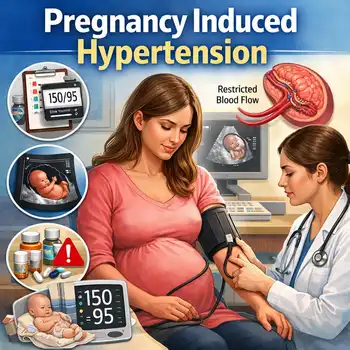
Pregnancy induced hypertension (PIH) is a common medical condition in pregnancy where a woman develops high blood pressure after 20 weeks of gestation without previously having hypertension. It affects approximately 5–10% of pregnancies and is a leading cause of maternal and fetal complications worldwide. Early diagnosis and proper management of pregnancy induced hypertension are essential to ensure the safety of both mother and baby.
What Is Pregnancy Induced Hypertension?
Pregnancy induced hypertension refers to elevated blood pressure that appears for the first time during pregnancy, typically after 20 weeks, and returns to normal after delivery. It is different from chronic hypertension, which exists before pregnancy, and from preeclampsia, which includes additional signs such as protein in the urine or organ involvement.
PIH is also known as gestational hypertension, and it may progress into preeclampsia if not carefully monitored.
Causes of Pregnancy Induced Hypertension
The exact cause of pregnancy induced hypertension is not completely understood, but several factors are associated with its development:
- Abnormal placental development and blood vessel function
- Genetic predisposition
- Immune system maladaptation
- Obesity or excessive weight gain
- First pregnancy
- Multiple pregnancy (twins or more)
- Maternal age below 18 or above 35 years
Symptoms of Pregnancy Induced Hypertension
Many women with pregnancy induced hypertension may have no symptoms and are diagnosed during routine antenatal checkups. When present, symptoms may include:
- Persistent headache
- Swelling of face, hands, or feet
- Sudden weight gain
- Blurred vision or seeing spots
- Shortness of breath
Any of these symptoms should prompt immediate medical evaluation.
Risks and Complications
If not managed properly, pregnancy induced hypertension can lead to serious complications:
Risks to the Mother
- Progression to preeclampsia or eclampsia
- Stroke
- Placental abruption
- Organ damage (kidneys, liver, brain)
Risks to the Baby
- Restricted fetal growth
- Preterm birth
- Low birth weight
- Stillbirth in severe cases
Diagnosis of Pregnancy Induced Hypertension
Diagnosis is based on blood pressure measurements:
- Systolic BP ≥ 140 mmHg and/or
- Diastolic BP ≥ 90 mmHg
measured on two occasions at least four hours apart after 20 weeks of gestation in a woman with previously normal blood pressure.
Additional tests may include urine protein testing, blood tests, ultrasound for fetal growth, and Doppler studies.
Treatment and Management
- Regular blood pressure monitoring
- Frequent antenatal visits
- Fetal growth and wellbeing assessment
- Activity modification and adequate rest
- Hospitalization in severe cases
In some cases, medications may be required to control blood pressure under medical supervision. The timing of delivery is carefully planned to balance maternal safety and fetal maturity.
Diet and Lifestyle Measures
Healthy lifestyle measures can help control pregnancy induced hypertension:
- Balanced diet rich in fruits, vegetables, and protein
- Avoid excessive salt and processed foods
- Maintain adequate hydration
- Gentle physical activity as advised by your doctor
- Avoid smoking and alcohol
Postpartum Care
Blood pressure usually returns to normal within weeks after delivery. However, women who develop pregnancy induced hypertension have a higher lifetime risk of hypertension and cardiovascular disease, so long-term follow-up is important.
Prevention of Pregnancy Induced Hypertension
Although it cannot always be prevented, early antenatal care, healthy weight management, and identification of high-risk women significantly reduce complications.
Is pregnancy induced hypertension dangerous?
Yes, if untreated it can progress to preeclampsia and cause serious complications. With early detection and care, most women have healthy outcomes.
Frequently Asked Questions
What is the difference between pregnancy induced hypertension and preeclampsia?
Pregnancy induced hypertension involves only high blood pressure, while preeclampsia includes high blood pressure with protein in urine or organ dysfunction.
Can pregnancy induced hypertension affect the baby?
Yes, it may reduce blood flow to the placenta, leading to growth restriction or preterm birth.
Conclusion
Pregnancy induced hypertension is a common but potentially serious condition that requires timely diagnosis, careful monitoring, and appropriate management. With regular antenatal care and medical supervision, most women with pregnancy induced hypertension can expect a safe pregnancy and a healthy baby.
External authoritative links
CDC (Centers for Disease Control and Prevention): High Blood Pressure During Pregnancy
WHO (World Health Organization): WHO Recommendations for Prevention and Treatment of Pre-eclampsia and Eclampsia
ACOG (American College of Obstetricians and Gynecologists): Preeclampsia and High Blood Pressure During Pregnancy (Patient Resource)
External Authoritative Video links
APGO Basic Sciences – Hypertensive Disease in Pregnancy * Source: Association of Professors of Gynecology and Obstetrics (APGO) –http://www.youtube.com/watch?v=Pi8i_0QzuQ8
