Polycystic Ovary Disease (PCOD) and Polycystic Ovary Syndrome (PCOS) are common hormonal disorders affecting women of reproductive age. Understanding early symptoms and accurate diagnosis helps prevent long-term complications like infertility, diabetes, and heart disease.
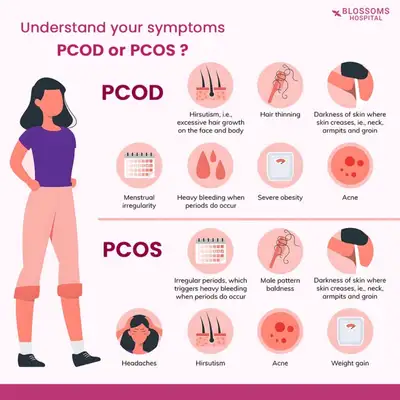
What is PCOD and PCOS?
PCOD (Polycystic Ovary Disease) and PCOS (Polycystic Ovary Syndrome) are endocrine disorders where ovaries produce excess androgens (male hormones). This leads to menstrual irregularities, ovulation problems, and metabolic issues. PCOS is considered more severe and systemic than PCOD.
Common Symptoms of PCOD/PCOS
1. Irregular or Missed Periods
One of the earliest and most common PCOD/PCOS symptoms is irregular menstrual cycles. Periods may be delayed, absent (amenorrhea), or unusually heavy due to irregular ovulation.
2. Excess Hair Growth (Hirsutism)
Increased male hormones cause excessive hair growth on the face, chin, chest, back, and abdomen. This is a classic symptom of PCOS and often causes emotional distress.
3. Acne and Oily Skin
Persistent acne that does not respond to standard treatment is a common PCOS symptom. Increased sebum production leads to oily skin and breakouts, especially along the jawline.
4. Weight Gain and Difficulty Losing Weight
Many women with PCOD/PCOS experience unexplained weight gain, especially around the abdomen. Insulin resistance makes weight loss challenging despite diet and exercise.
5. Hair Thinning or Hair Loss
Female-pattern hair loss or thinning at the crown is another sign of androgen excess seen in PCOS patients.
6. Infertility or Difficulty Conceiving
Irregular ovulation or absence of ovulation can make conception difficult. PCOS is one of the leading causes of infertility in women.
7. Dark Patches on Skin (Acanthosis Nigricans)
Dark, velvety skin patches around the neck, armpits, or groin suggest insulin resistance, commonly associated with PCOS.
How is PCOD/PCOS Diagnosed?
There is no single test to diagnose PCOD or PCOS. Doctors rely on a combination of symptoms, physical examination, blood tests, and imaging.
1. Medical History & Physical Examination
Doctors assess menstrual history, weight changes, acne, hair growth patterns, and family history of diabetes or hormonal disorders.
2. Blood Tests for PCOD/PCOS
- LH and FSH ratio
- Total and Free Testosterone
- Fasting Insulin and Blood Sugar
- Thyroid Profile
- Prolactin Levels
- Lipid Profile
3. Pelvic Ultrasound
Ultrasound may show enlarged ovaries with multiple small follicles arranged in a “string of pearls” pattern, a classic PCOS finding.
4. Rotterdam Criteria for PCOS Diagnosis
According to international guidelines, PCOS is diagnosed if any two of the following are present:
- Irregular or absent ovulation
- Clinical or biochemical signs of hyperandrogenism
- Polycystic ovaries on ultrasound
PCOD vs PCOS: Key Diagnostic Differences
- PCOD is more common and often milder
- PCOS has higher metabolic and fertility risks
- PCOS shows stronger hormonal imbalance
Why Early Diagnosis is Important
Untreated PCOD/PCOS can increase the risk of infertility, type 2 diabetes, high blood pressure, endometrial cancer, and heart disease. Early diagnosis allows lifestyle modification and medical management to prevent complications.
Frequently Asked Questions (FAQs)
Can PCOD/PCOS be cured completely?
There is no permanent cure, but symptoms can be effectively managed with lifestyle changes, medications, and hormonal regulation.
Is PCOS only diagnosed through ultrasound?
No. Diagnosis is based on symptoms, blood tests, and ultrasound findings together.
Can lean women have PCOS?
Yes. PCOS can occur in women of any body type, including those with normal or low BMI.
Does PCOS affect pregnancy?
PCOS can cause ovulation problems, but with proper treatment many women conceive naturally.
Learn more
Treatment Options for PCOD & PCOS: Complete Medical & Lifestyle Management Guide
PCOS & Pregnancy: Chances, Risks & Safe Treatment Options
PCOS & Period Problems: How Hormones Affect Your Menstrual Cycle
PCOS and Ovulation: Understanding the Connection
Authoritative References
- World Health Organization – PCOS Overview
- NICHD – PCOS Diagnosis & Symptoms
- ACOG – PCOS Clinical Guidance
Authoritative video links
Mayo Clinic A deep dive into symptoms and medical criteria.
Johns Hopkins-Comprehensive discussion on long-term health and fertility.
